Tesla has denied claims that it has significantly downsized its workforce at Giga Berlin, countering a German media report by emphasizing that staffing levels and production at the plant have remained stable in recent years.
In an emailed statement sent to media outlets on Wednesday, Tesla said there has been no meaningful change in permanent staffing levels compared to last year, and no plans to reduce headcount going forward. “Compared to 2024, there has been no significant reduction in the number of permanent staff. Nor are there any such plans,” the company said. (via Reuters)
The statement was issued in response to a report by the German publication Handelsblatt, which claimed Tesla’s workforce at the facility had declined by roughly 1,700 employees, or about 14%, since 2024. According to that report, internal documents linked to upcoming works council elections showed current employment at 10,703 people, down from 12,415 at the time of the previous union election two years ago.
Tesla disputed the interpretation of those figures, saying that overall operations at the plant have remained stable.
“The message from factory management remains: the situation and outlook at the gigafactory are stable – especially with regard to employee jobs,” the company said.
Tesla also noted that some level of workforce fluctuation is normal at a relatively young factory that has now been operating for nearly four years. The company added that demand for temporary workers has naturally declined as the site moved past its initial production ramp-up and into a more mature, steady-state phase.
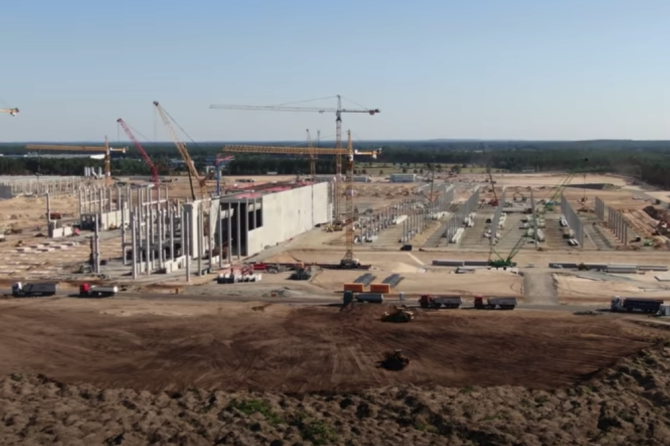
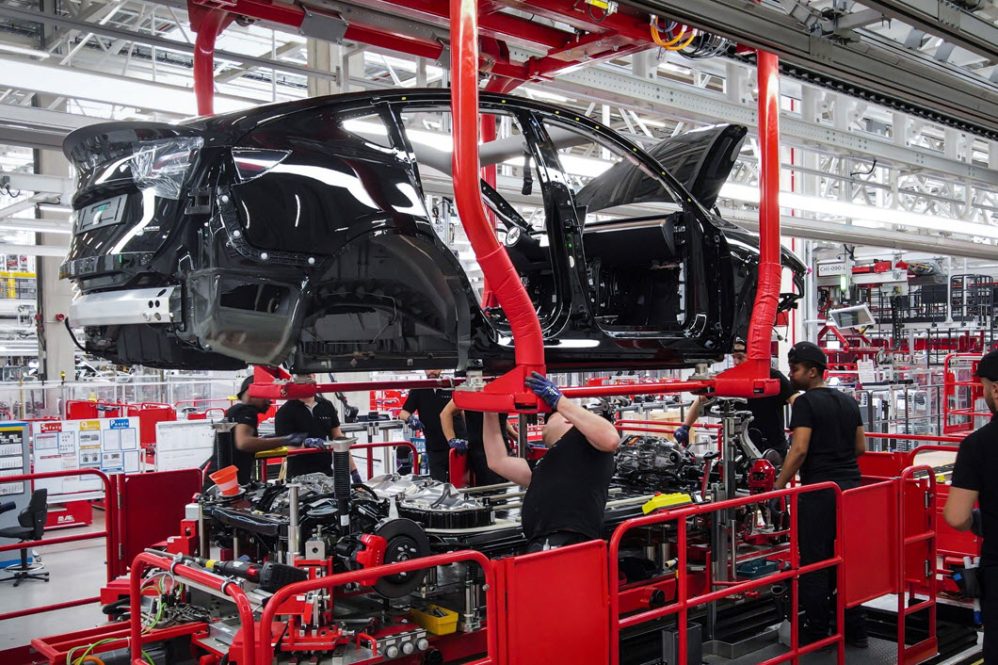
Giga Berlin first opened in March 2022, just before the opening of Giga Texas in April 2022. The facility produces only the Model Y, supplying 30 markets across Europe and abroad, including most recently Canada.
Tesla is preparing to increase production at Giga Berlin in 2026 after steadily ramping output through 2025. Plant manager André Thierig recently said production rose each quarter last year, with the factory now producing more than 5,000 Model Y vehicles per week, or about 250,000 annually.
Tesla expects new German EV incentives in 2026 to support demand and is also planning deeper localization, including battery cell production in Germany with up to 8 GWh of annual capacity starting in 2027.